Deadhead Climbing Roses In Summer For More Blooms
Title: Deadhead Climbing Roses in Summer for More Blooms
Introduction:
Climbing roses are a beautiful addition to any garden, but they need regular care in order to thrive. One of the most important things you can do for your climbing roses is to deadhead them regularly. Deadheading is the process of removing spent blooms, and it helps to encourage new growth and more blooms.
In the summer, climbing roses are especially prone to producing spent blooms. This is because the hot weather can cause the flowers to fade quickly. If you don't deadhead your climbing roses in the summer, they will eventually stop blooming altogether.
Main Content:
There are a few different ways to deadhead climbing roses. The simplest way is to simply pinch off the spent blooms with your fingers. However, if you have a lot of climbing roses, you may want to use a pair of gardening shears.
When deadheading climbing roses, it is important to cut the stem just below the spent bloom. This will encourage new growth to develop from the same node. You should also make sure to deadhead the roses at the right time. If you wait too long, the spent blooms may start to produce seed pods. This will divert the plant's energy away from producing new flowers.
In addition to deadheading, there are a few other things you can do to help your climbing roses bloom more in the summer. These include:
- Fertilizing your roses regularly.
- Watering your roses deeply and regularly.
- Providing your roses with full sun.
- Protecting your roses from pests and diseases.
Conclusion:
Deadheading climbing roses in the summer is an important task that will help to keep your roses blooming all season long. By following the tips in this blog post, you can ensure that your climbing roses are healthy and beautiful all summer long.
Visit Garden Wiki for more information about deadheading climbing roses in summer.
FAQ of deadheading climbing roses in summer
- Q: What is deadheading?
- A: Deadheading is the removal of spent blooms from a plant. This is done to encourage new growth and flowers.
- Q: Why is it important to deadhead climbing roses in summer?
- A: Climbing roses are repeat bloomers, which means they will produce flowers throughout the summer. Deadheading helps to keep these roses blooming by encouraging the plant to produce new flower buds.
- Q: When should I deadhead climbing roses in summer?
- A: You should deadhead climbing roses as soon as the flowers start to fade. This will help to prevent the plant from setting seed, which will divert its energy away from producing new flowers.
- Q: How do I deadhead climbing roses?
- A: To deadhead a climbing rose, simply snip off the spent blooms with a sharp pair of pruning shears. Be sure to cut the stem back to a leaf node, where a new flower bud will form.
- Q: What are the benefits of deadheading climbing roses in summer?
- A: There are several benefits to deadheading climbing roses in summer. These include:
- Increased blooming: Deadheading encourages the plant to produce new flower buds, which leads to more flowers throughout the summer.
- Improved appearance: Deadheading removes spent blooms, which can make the plant look untidy.
- Reduced disease risk: Deadheading removes spent blooms, which can harbor pests and diseases.
- A: There are several benefits to deadheading climbing roses in summer. These include:
- Q: Are there any risks associated with deadheading climbing roses in summer?
- A: There are no major risks associated with deadheading climbing roses in summer. However, it is important to use sharp pruning shears to avoid damaging the plant.
- Q: What are some tips for deadheading climbing roses in summer?
- A: Here are a few tips for deadheading climbing roses in summer:
- Wear gloves to protect your hands from thorns.
- Deadhead on a hot, dry day to prevent the spread of disease.
- Dispose of spent blooms in the trash, not the compost pile.
- A: Here are a few tips for deadheading climbing roses in summer:
Image of deadheading climbing roses in summer
- Image 1: A close-up of a deadheaded climbing rose, showing the stem that has been cut just above the first leaf with five leaflets.
- Image 2: A gardener deadheading a climbing rose, using a pair of gardening shears to cut off the spent blooms.
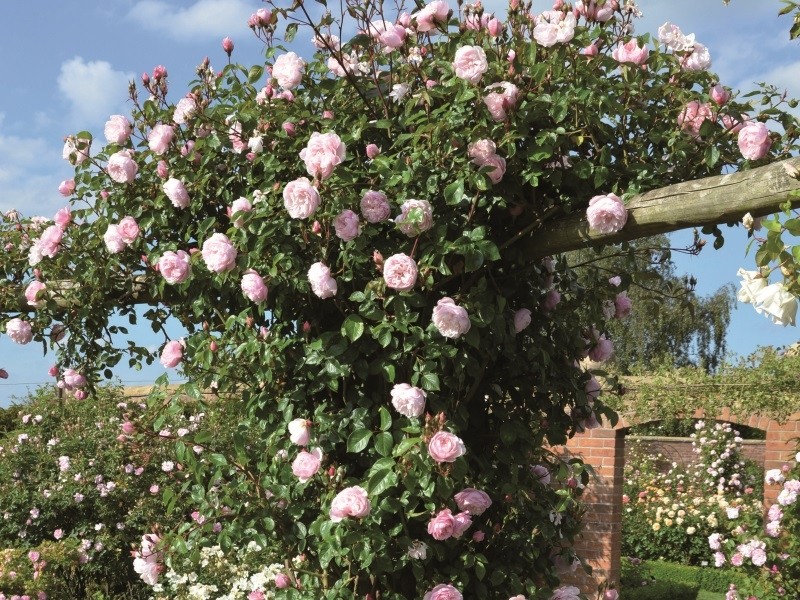
- Image 3: A climbing rose bush with several deadheaded blooms, showing the new buds that are starting to form.
- Image 4: A climbing rose in full bloom, with some of the blooms already deadheaded.

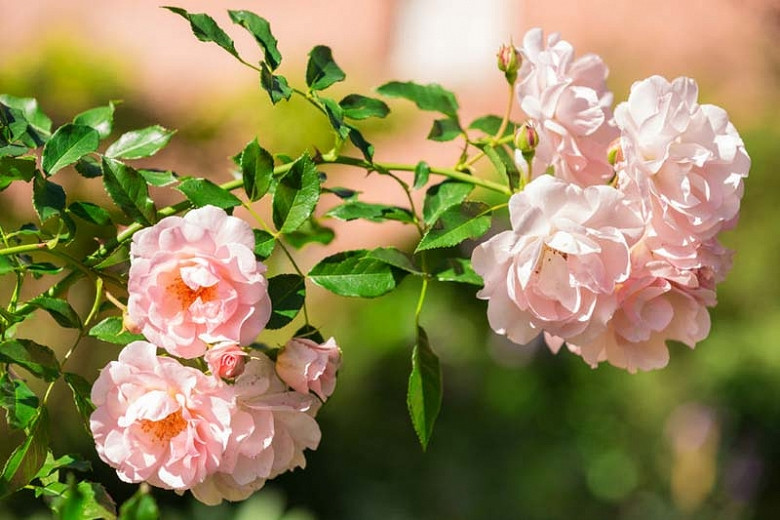
- Image 5: A climbing rose arch covered in deadheaded blooms, with new buds starting to form.
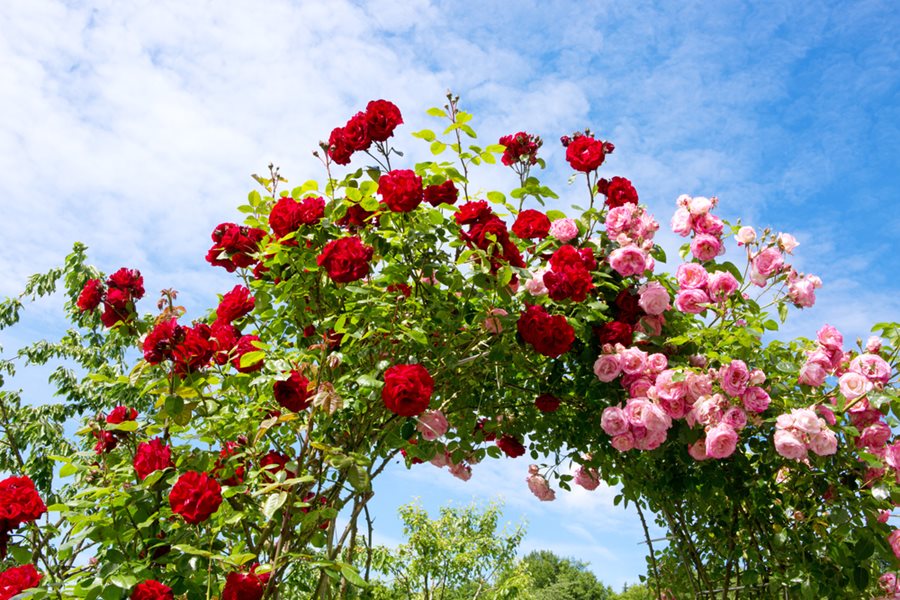
- Image 6: A climbing rose growing up a trellis, with some of the blooms deadheaded.
- Image 7: A close-up of a deadheaded climbing rose bud, showing the small green leaves that are starting to form.
- Image 8: A gardener deadheading a climbing rose bush, using a pair of gardening shears to cut off the spent blooms and any dead or diseased leaves.

- Image 9: A climbing rose bush with several deadheaded blooms, showing the new growth that is starting to emerge.
- Image 10: A climbing rose in full bloom, with some of the blooms already deadheaded.
Post a Comment for "Deadhead Climbing Roses In Summer For More Blooms"