How To Space Pepper Plants In A Raised Bed For Maximum Yield
Additional tips:
- If you're growing in a small raised bed, you can plant pepper plants in a staggered or checkerboard pattern to maximize space.
- If you're growing tall varieties of peppers, you may need to provide them with some support. You can do this by staking the plants or using a trellis.
- Be sure to harvest your peppers when they're ripe. Peppers that are picked too early will be lacking in flavor.
Pepper plant spacing in a raised bed is important for ensuring that your plants have enough room to grow and thrive. For most varieties, pepper plants should be spaced 18-24 inches apart, stem to stem. This will give them enough room to develop their root systems and spread out their foliage. If you are planting larger varieties of peppers, you may need to space them even further apart.
To learn more about pepper plant spacing in raised beds, please visit Home Gardening. This website has a wealth of information on growing peppers, including detailed instructions on how to space your plants correctly.
FAQ of pepper plant spacing raised bed
How much space do pepper plants need in a raised bed?
Pepper plants need about 18 to 24 inches of space between them, stem to stem. This will give them enough room to grow and spread out. If you are planting in a smaller raised bed, you may need to space the plants closer together.
How many pepper plants can I fit in a 4x8 raised bed?
In a 4x8 raised bed, you can fit anywhere from 6 to 9 pepper plants, depending on the variety of pepper you are planting. Larger varieties will need more space, so you may need to plant fewer plants.
What factors should I consider when spacing pepper plants in a raised bed?
There are a few factors you should consider when spacing pepper plants in a raised bed, including the variety of pepper you are planting, the size of your raised bed, and the amount of sunlight the bed receives.
Variety of pepper: Some varieties of pepper, such as bell peppers, grow larger than others, such as jalapeños. You will need to space larger varieties of pepper further apart to give them enough room to grow.
Size of raised bed: If you have a small raised bed, you will need to space the plants closer together. However, if you have a larger raised bed, you can space the plants further apart.
Amount of sunlight: Pepper plants need at least 6 hours of sunlight per day. If your raised bed does not receive enough sunlight, you may need to space the plants closer together so that they can all get enough sunlight.
What are the benefits of spacing pepper plants properly?
There are several benefits to spacing pepper plants properly. First, it will help the plants to grow and spread out properly. Second, it will help to prevent diseases and pests from spreading from plant to plant. Third, it will make it easier to harvest the peppers.
How can I adjust my pepper plant spacing if I need to?
If you need to adjust your pepper plant spacing, you can do so by transplanting the plants. To transplant a pepper plant, carefully dig it up with a trowel and then replant it in a new location. Be sure to water the plant well after transplanting it.
Image of pepper plant spacing raised bed
- Pepper plants spaced 18 inches apart in a 4x4 raised bed.
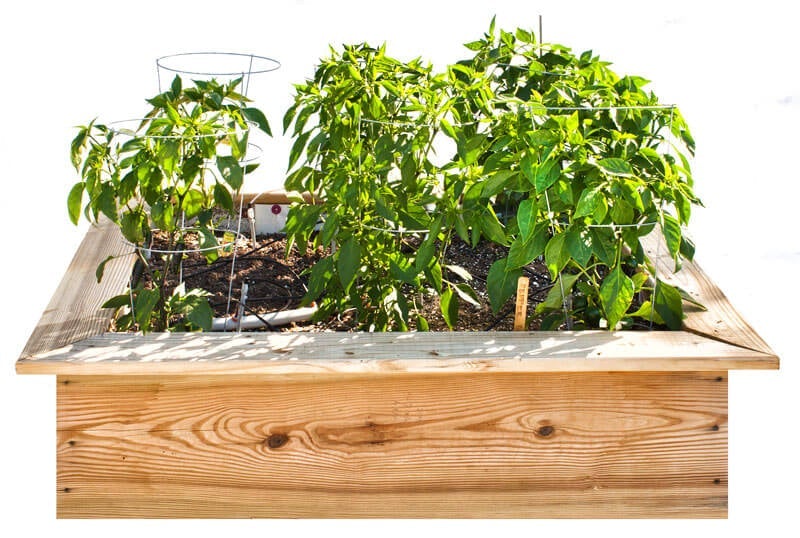
- Pepper plants spaced 24 inches apart in a 4x8 raised bed.
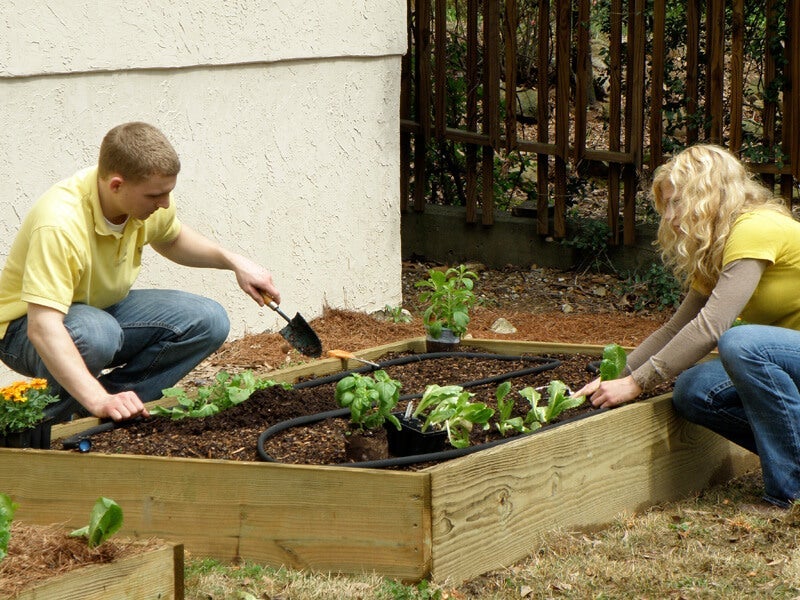
- A diagram showing the recommended spacing for pepper plants in a raised bed.
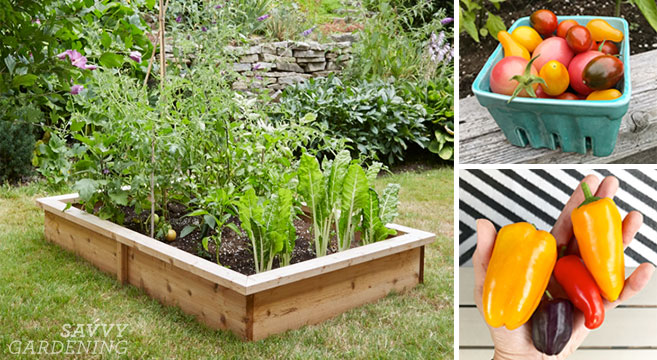
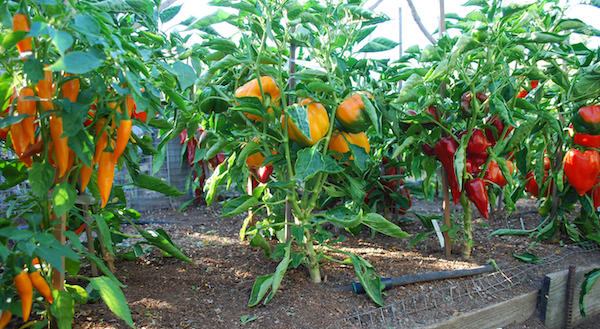
- A photo of a raised bed with pepper plants spaced according to the recommended guidelines.
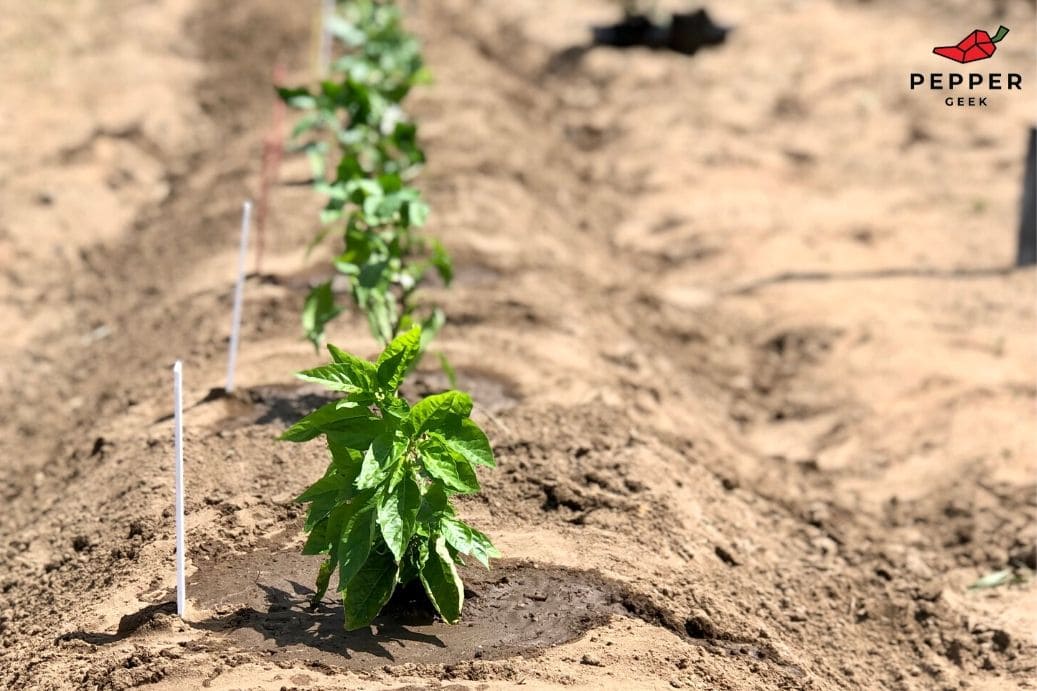
- A close-up of a pepper plant showing the proper spacing between the plant and the neighboring plants.

- A photo of a pepper plant that is too close to another plant, resulting in stunted growth.

- A photo of a healthy pepper plant that is spaced properly in a raised bed.
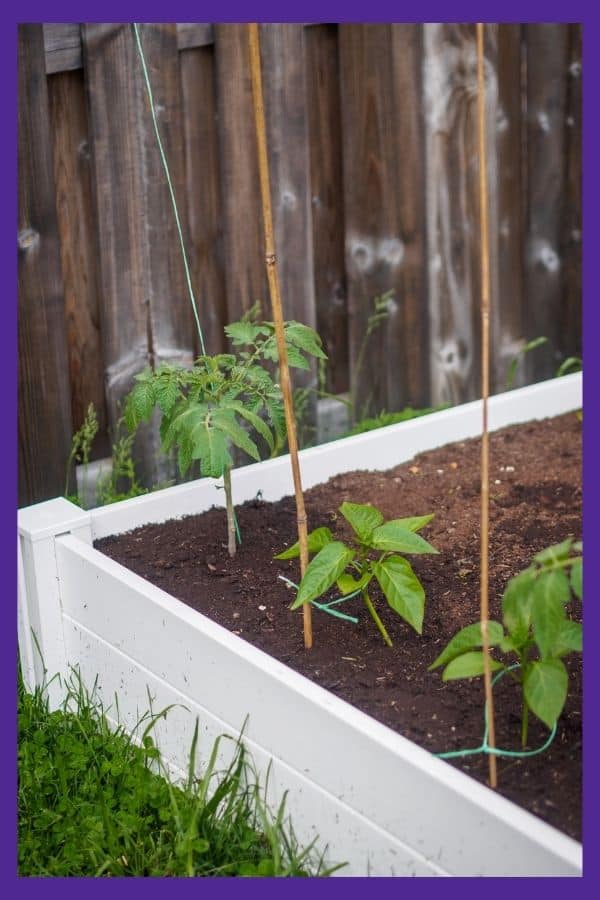
- A photo of a pepper plant that is wilting due to lack of sunlight.
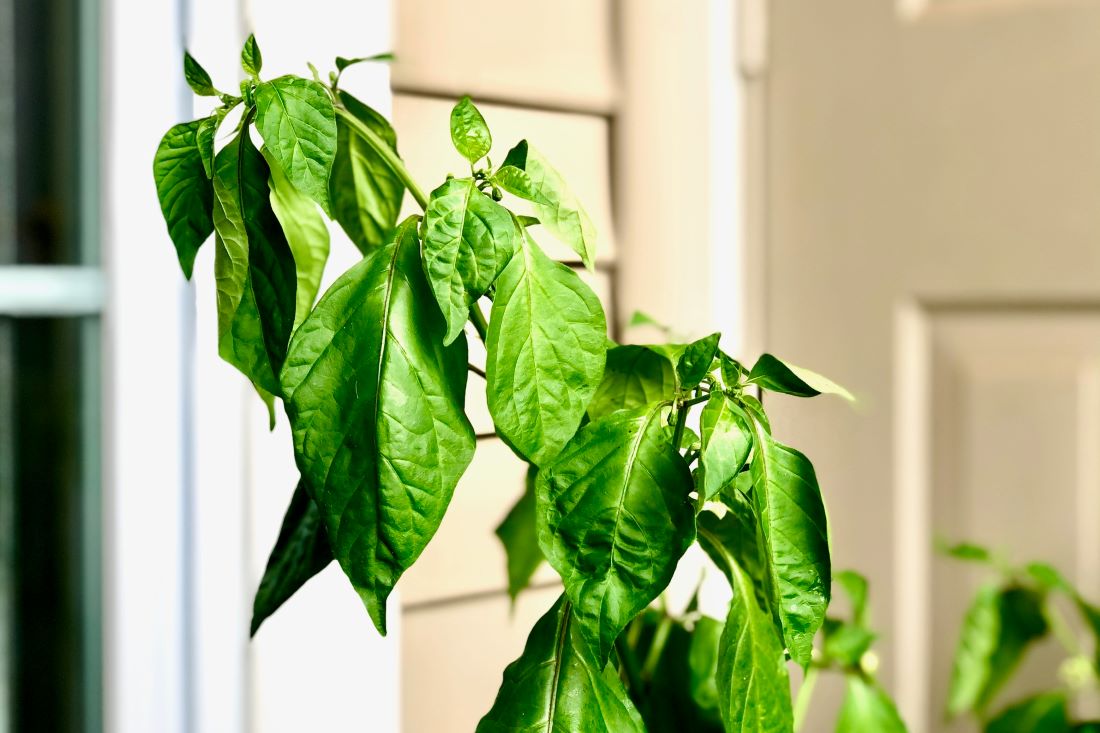
- A photo of a pepper plant that is thriving in a well-spaced raised bed with plenty of sunlight.

- A photo of a pepper harvest from a raised bed with properly spaced plants.

Post a Comment for "How To Space Pepper Plants In A Raised Bed For Maximum Yield"