Nitrogen Fertilizer: The Key To Healthy Lush Plants
Nitrogen Fertilizer: The Key to Healthy Lush Plants
Nitrogen is one of the most important nutrients for plant growth. It is a major component of chlorophyll, the green pigment that helps plants photosynthesize. Nitrogen also helps to build proteins, which are essential for plant structure and function.
Without enough nitrogen, plants will not grow properly. They will be stunted, have yellow leaves, and be more susceptible to diseases and pests.
Nitrogen fertilizer can help to ensure that your plants get the nutrients they need to grow healthy and strong. There are many different types of nitrogen fertilizer available, so you can choose the one that is right for your plants and your needs.
In this blog post, we will discuss the following:
- What is nitrogen fertilizer?
- How does nitrogen fertilizer work?
- What are the different types of nitrogen fertilizer?
- How to use nitrogen fertilizer
- How to avoid nitrogen fertilizer burn
- The benefits of using nitrogen fertilizer
What is Nitrogen Fertilizer?
Nitrogen fertilizer is a substance that provides plants with nitrogen. Nitrogen fertilizer can be either organic or inorganic. Organic nitrogen fertilizer is derived from natural sources, such as manure or compost. Inorganic nitrogen fertilizer is made from synthetic chemicals.
How Does Nitrogen Fertilizer Work?
Nitrogen fertilizer works by providing plants with the nitrogen they need to grow. Nitrogen is absorbed by the roots of plants and used to build proteins, chlorophyll, and other essential compounds.
What Are the Different Types of Nitrogen Fertilizer?
There are many different types of nitrogen fertilizer available. Some of the most common types include:
- Ammonium nitrate: This is a fast-acting nitrogen fertilizer that is often used for lawns and gardens.
- Urea: This is another fast-acting nitrogen fertilizer that is often used for lawns and gardens.
- Ammonium sulfate: This is a slow-release nitrogen fertilizer that is often used for trees and shrubs.
- Nitrate of soda: This is a fast-acting nitrogen fertilizer that is often used for agricultural crops.
How to Use Nitrogen Fertilizer
The amount of nitrogen fertilizer you need to use will depend on the type of plant you are fertilizing, the soil conditions, and the climate. It is important to follow the instructions on the fertilizer label carefully.
How to Avoid Nitrogen Fertilizer Burn
Nitrogen fertilizer can cause nitrogen fertilizer burn if it is applied too heavily. Nitrogen fertilizer burn can cause leaves to turn yellow or brown, and it can even kill plants.
To avoid nitrogen fertilizer burn, it is important to apply the fertilizer correctly. You should also avoid applying fertilizer to wet leaves.
The Benefits of Using Nitrogen Fertilizer
There are many benefits to using nitrogen fertilizer. Nitrogen fertilizer can help to:
- Increase plant growth
- Improve plant color
- Strengthen plant stems
- Make plants more resistant to diseases and pests
- Increase crop yields
Conclusion
Nitrogen fertilizer is an important tool for gardeners and farmers. It can help to ensure that plants get the nutrients they need to grow healthy and strong.
When used correctly, nitrogen fertilizer can be a safe and effective way to improve plant growth and productivity.
Nitrogen is an essential nutrient for plant growth. It helps plants produce chlorophyll, which is necessary for photosynthesis. Nitrogen fertilizer can be used to help plants grow faster, produce more flowers, and be more resistant to disease.
There are many different types of nitrogen fertilizer available, including synthetic and organic fertilizers. Synthetic fertilizers are typically more effective than organic fertilizers, but they can also be more harmful to the environment. Organic fertilizers are a more sustainable option, but they may not be as effective as synthetic fertilizers.
If you are considering using nitrogen fertilizer, it is important to do your research to choose the right type of fertilizer for your plants. You should also follow the directions on the fertilizer label carefully to avoid over-fertilizing your plants.
For more information about nitrogen fertilizer for plants, I recommend visiting Garden Wiki. This website provides a comprehensive overview of nitrogen fertilizer, including the different types of nitrogen fertilizer, how to use nitrogen fertilizer, and the benefits and risks of using nitrogen fertilizer.
FAQ of nitrogen fertilizer for plants
1. What is nitrogen fertilizer?
Nitrogen fertilizer is a type of plant food that provides plants with the nitrogen they need to grow and thrive. Nitrogen is a major component of chlorophyll, the compound that plants use to convert sunlight into energy. Without enough nitrogen, plants will not be able to photosynthesize properly, and they will eventually die.
2. How does nitrogen fertilizer affect plant growth?
Nitrogen fertilizer helps plants grow by stimulating their growth and development. It also helps plants produce more leaves, stems, and flowers. In addition, nitrogen fertilizer can help plants resist pests and diseases.
3. What are the different types of nitrogen fertilizer?
There are many different types of nitrogen fertilizer available, each with its own advantages and disadvantages. Some of the most common types of nitrogen fertilizer include:
- Ammonium nitrate: This is a fast-acting nitrogen fertilizer that is often used for lawns and gardens.
- Urea: This is another fast-acting nitrogen fertilizer that is often used for crops.
- Nitrate of soda: This is a slow-release nitrogen fertilizer that is often used for trees and shrubs.
- Ammonia sulfate: This is a slow-release nitrogen fertilizer that is often used for vegetables.
4. How do I apply nitrogen fertilizer to my plants?
The best way to apply nitrogen fertilizer to your plants will depend on the type of fertilizer you are using and the type of plants you are growing. However, there are some general guidelines that you can follow:
- Always read the instructions on the fertilizer label. This will tell you how much fertilizer to apply and how often to apply it.
- Apply nitrogen fertilizer to the soil around your plants. Do not apply it directly to the leaves or stems of your plants.
- Water the soil after you have applied the fertilizer. This will help the fertilizer dissolve and reach the roots of your plants.
5. What are the side effects of using nitrogen fertilizer?
Nitrogen fertilizer can have some side effects, such as:
- Burning the leaves of your plants. This can happen if you apply too much fertilizer or if you apply it when the weather is hot.
- Leaching into the groundwater. This can pollute the water supply.
- Creating algae blooms in waterways. This can kill fish and other aquatic life.
Image of nitrogen fertilizer for plants
- Urea

Urea is a common synthetic nitrogen fertilizer that is highly soluble in water. It is often used to boost the nitrogen levels in soil quickly.
- Blood meal

Blood meal is a natural nitrogen fertilizer that is made from dried blood. It is a slow-release fertilizer that is high in nitrogen and phosphorus.
- Fish emulsion
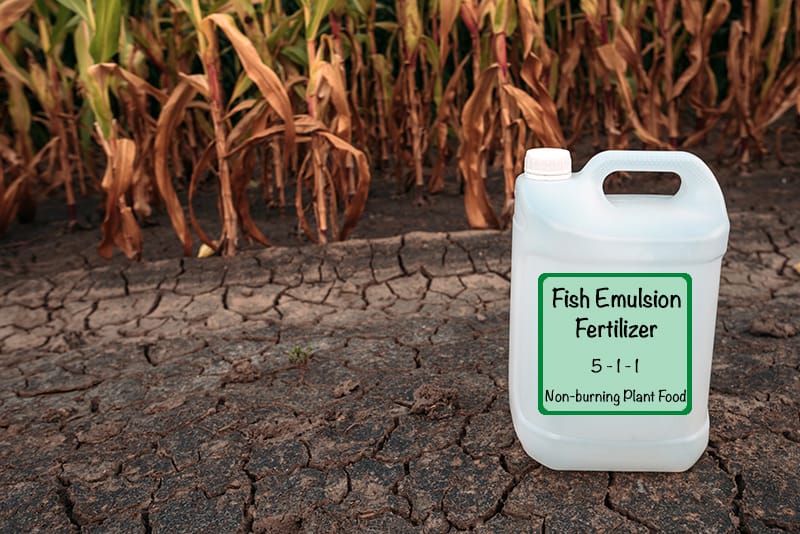
Fish emulsion is a natural nitrogen fertilizer that is made from fish. It is a liquid fertilizer that is high in nitrogen and other nutrients.
- Compost
.jpg)
Compost is a natural fertilizer that is made from organic matter. It is a slow-release fertilizer that is high in nitrogen and other nutrients.
- Nettle tea

Nettle tea is a natural fertilizer that is made from nettles. It is a liquid fertilizer that is high in nitrogen and other nutrients.

Post a Comment for "Nitrogen Fertilizer: The Key To Healthy Lush Plants"